
You build a machine and want controls designed for it.
Custom panels built to your print, one approved part across your lineup, an engineer on the first application. Start here.
You know the part you need.
HMIs, PLCs, I/O and communication modules, cross-references and datasheets, with stock held in Mokena.
A controls engineer on your side of the table.
Most suppliers sell you a part and hope it works. Phoenix starts with the machine: what it does, how many you build, what the controls cost you today and what they need to cost. Then we engineer to that target, through a direct factory relationship that treats your volume as an opportunity rather than a line item.
Russell Homans has supplied and supported OEM controls for over twenty years. Your first application gets his hours until it ships. That is the whole difference.
Engineering before the order
Application review, control architecture, network layout, sample code you can paste into your program. Pre-sale, at no charge, because the first application has to work.
Built to your target
Your logo on the bezel. Your mounting. Your price point at your quantity. Customisation the big brands will not discuss below a seven-figure order.
A factory that answers the phone
A million-dollar opportunity does not register with the largest control vendors. At our factory partner it gets engineers on a plane.
One customer, twenty years. Same engineer.
A residential elevator manufacturer has run on Phoenix-supplied controls for close to two decades, through every revision of their cab. The current project is an all-glass cab operating panel with an integrated phone.
$1,000 revision one, per unit
$350 revision two, per unit, at 2,500 units
Because Phoenix took the number back to the factory instead of apologising for the catalog price.
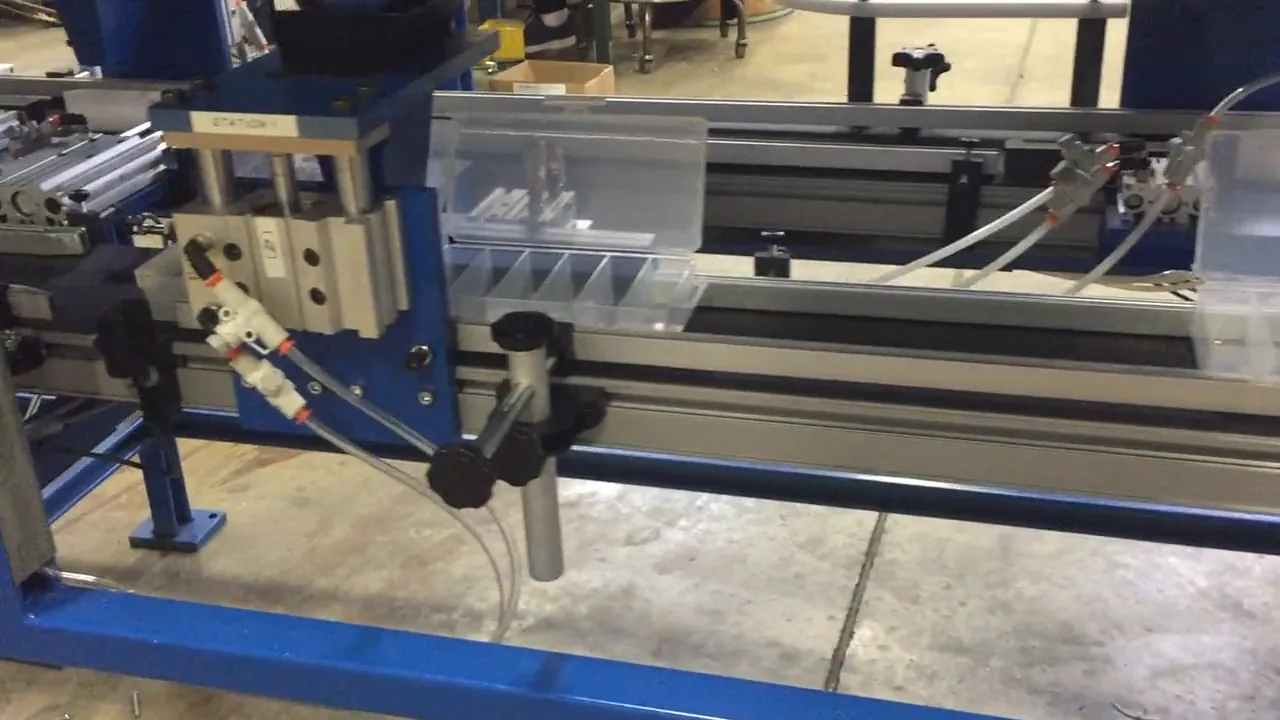
Commercial kitchen equipment, screen-printing presses, industrial slicers, municipal water plants and gutter machines run the same way. See the industries.
A good fit looks like this.
- You build machines in the United States. Repeatable models, not one-offs. The kind of machine that ships in the hundreds a year.
- Your machines sell for $10,000 to $100,000. Big enough to need real controls. Small enough that a $1,000 operator panel is a problem.
- You have engineers on staff. We work alongside your controls or electrical engineer. We are not a substitute for one.
- You need more than a part number. A cost target to hit, a panel that carries your name, an application that has to work first time.
We would rather say so now.
- You need one unit, today, off a shelf. A catalog distributor will serve you better.
- You have no engineering in house and expect a supplier to carry the whole application.
- You are building million-dollar machines on European control platforms. That is not our lane.
Tell us about the machine
Four questions: what it does, how many a year, what controls it runs now, what you need. Two minutes.
Review it with Russell
If it fits, you talk to the engineer, not a sales desk. If it does not, we say so and point you somewhere useful.
Ship the first application
Phoenix stays on it, a few hours a week, until your first unit is running on the floor.